Hazardous energy is one of the leading causes of serious workplace injuries, especially during equipment maintenance, servicing, and repair tasks.
Unexpected machine start-ups or the release of stored energy can result in severe injuries such as amputations, burns, or electrocution.
Lockout/Tagout (LOTO) is a critical safety procedure designed to control hazardous energy and prevent machines from being accidentally energized.
It ensures that equipment is properly shut down and cannot be restarted while work is being performed.
The Occupational Safety and Health Administration (OSHA) regulates LOTO through enforceable standards.
These requirements help protect workers and hold employers accountable for maintaining safe work environments.
What Is Lockout/Tagout (LOTO)?
Lockout/Tagout (LOTO) is a safety procedure used to control hazardous energy during the servicing, maintenance, or repair of machines and equipment.
Its primary purpose is to ensure that machinery is completely shut down, isolated from energy sources, and cannot be restarted until work is safely completed.
LOTO prevents the unexpected startup of equipment or the release of stored energy that could seriously injure workers.
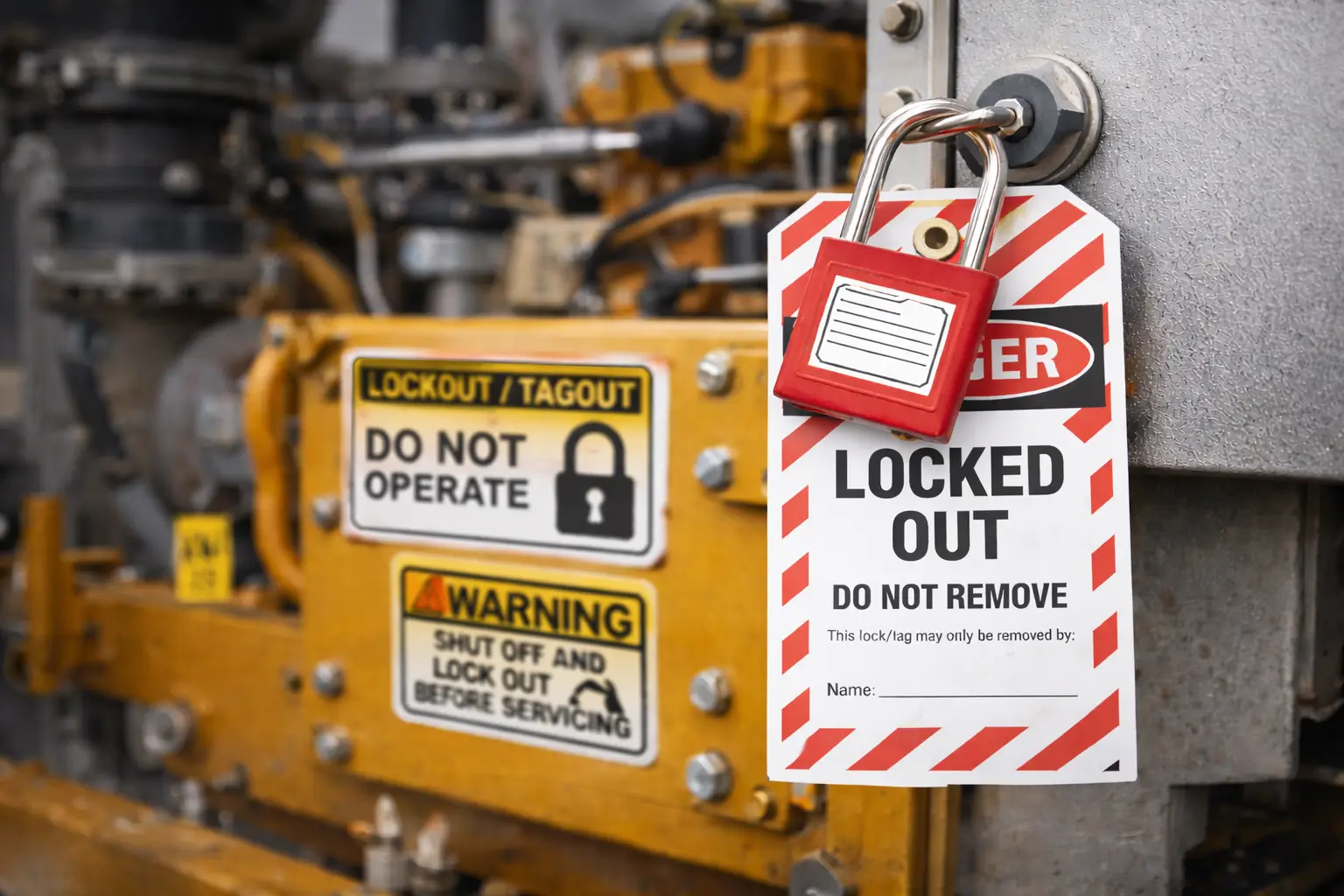
The process involves placing physical locks and warning tags on energy-isolating devices. LOTO applies to multiple energy sources, including electrical, mechanical, hydraulic, pneumatic, thermal, and chemical energy.
Why LOTO Is Critical for Workplace Safety
Uncontrolled hazardous energy is a common cause of serious workplace accidents, often occurring when machines are serviced without proper shutdown procedures.
Unexpected energization can lead to crush injuries, amputations, severe burns, and electrocution. LOTO is specifically designed to prevent these life-threatening incidents
OSHA’s LOTO Standard Explained
OSHA’s Lockout/Tagout requirements are outlined in the Control of Hazardous Energy standard (29 CFR 1910.147), which is designed to protect workers from the unexpected release of hazardous energy.
The standard applies to most general industry workplaces where employees service or maintain machines and equipment.
It sets clear rules for shutting down, isolating, blocking, and securing energy sources before work begins.
Under this rule, employers are legally responsible for establishing procedures, providing training, and enforcing safe LOTO practices.
Compliance helps reduce serious injuries while meeting OSHA’s enforceable safety expectations.
Key Requirements of an OSHA-Compliant LOTO Program
An effective LOTO program must be structured, documented, and consistently enforced to meet OSHA requirements.
Employers must implement specific controls to ensure hazardous energy is properly managed during maintenance and servicing tasks.
Written energy control procedures
Employers must develop clear, machine-specific procedures that explain how to shut down, isolate, lock, and verify equipment.
These procedures ensure consistency and reduce the risk of errors during maintenance activities.
Employee training and authorization levels
Workers must be trained based on their role, with authorized employees performing lockout tasks and affected employees understanding how LOTO protects them.
Training ensures everyone recognizes hazards and follows proper protocols.
Proper lockout and tagout devices
Locks and tags must be durable, standardized, and used only for energy control purposes. This helps clearly identify equipment that is locked out and prevents accidental removal.
Periodic inspections and documentation
Employers are required to conduct regular inspections of LOTO procedures to confirm they are being followed correctly. Proper documentation helps identify gaps, reinforce accountability, and maintain compliance with OSHA standards.
LOTO Procedures: Step-by-Step Overview
Lockout/Tagout procedures follow a clear, systematic process to ensure hazardous energy is fully controlled before maintenance or servicing begins.
Each step is designed to protect workers from unexpected equipment startup or energy release and must be followed in the correct order to maintain OSHA compliance and workplace safety.
Preparation and notification
Before starting LOTO, authorized employees must identify all energy sources and understand the equipment involved. Affected employees should be notified that the machine will be shut down and locked out to prevent confusion or unsafe actions.
Equipment shutdown and isolation
The equipment is shut down using normal operating controls and then isolated from all energy sources. This may include disconnecting electrical power, closing valves, or blocking mechanical components to stop energy flow.
Lockout/Tagout application
Locks and tags are applied to each energy-isolating device to prevent re-energization. Each lock should be assigned to an individual worker, clearly indicating who is performing the maintenance.
Verification of energy isolation
Authorized employees must verify that all energy has been effectively isolated and released. This includes testing controls, checking gauges, or using instruments to confirm a zero energy state.
Safe removal of locks and restoration of energy
Once work is complete, tools are removed, and the area is cleared of personnel. Locks and tags are removed by the authorized employees, and energy is restored in a controlled manner after notifying affected workers.
Common LOTO Violations and OSHA Citations
Many OSHA citations stem from failure to establish or follow proper written LOTO procedures.
Inadequate employee training is another frequent violation, leaving workers unsure of how to safely lock or tag equipment. Using tags alone instead of actual locks is a common error that compromises protection.
Failing to conduct periodic inspections of energy control procedures also results in citations.
These violations highlight the importance of consistent enforcement and ongoing safety education.
Addressing these gaps helps workplaces avoid penalties and ensures employees remain protected from hazardous energy.
Consequences of Non-Compliance
Ignoring OSHA’s LOTO standards can have severe consequences for both employees and employers.
Non-compliance significantly increases the risk of serious injuries or fatalities, such as electrocutions, amputations, or crush injuries.
OSHA may impose hefty fines for violations, particularly for willful or repeated offenses.
Legal liability and potential lawsuits can follow incidents caused by improper procedures.
Additionally, workplace accidents lead to operational downtime, lost productivity, and higher insurance costs. Prioritizing compliance is essential to protect workers and maintain safe, efficient operations.
Conclusion
Lockout/Tagout is a critical component of workplace safety, protecting employees from unexpected hazardous energy.
Adhering to OSHA’s LOTO standards, through proper procedures, training, use of locks, and regular inspections, reduces accidents, prevents regulatory penalties, and promotes a culture of safety.
Employers who invest in robust LOTO programs safeguard both their workforce and their operations.