What Happens Inside a Livestock Carrier?
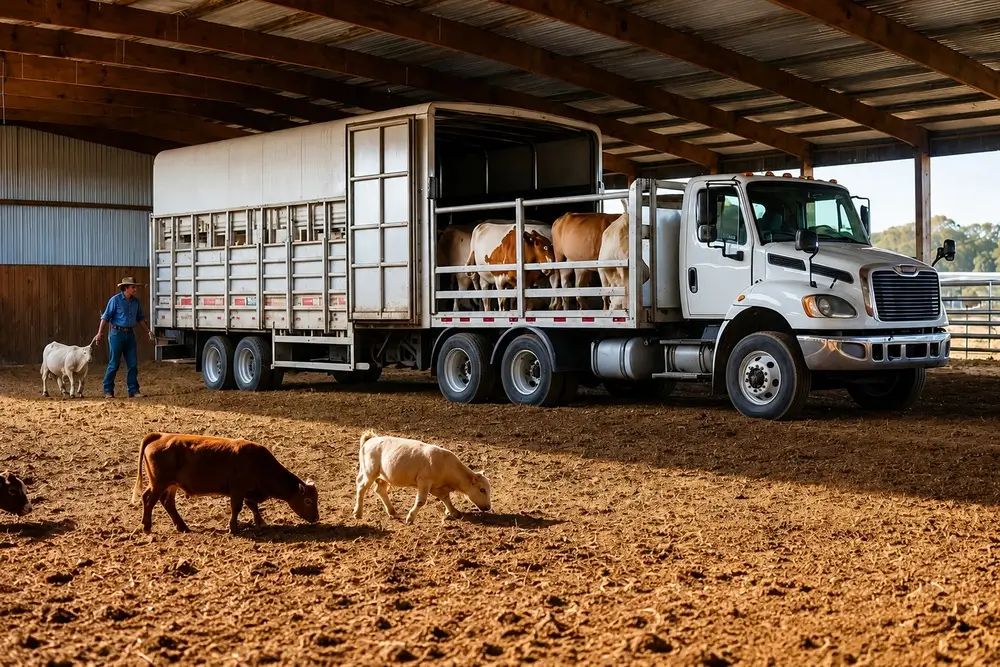
It’s early morning, and the loading process has already begun. Workers move with urgency, guiding animals up narrow ramps and into a tightly packed trailer. The air is still cool outside, but inside the carrier, the environment starts changing almost immediately. Doors shut, engines idle, and airflow becomes limited within seconds.
As more animals are loaded, the space fills with constant noise and movement. Hooves shift against metal floors, bodies press together, and workers navigate carefully through the confined area. It is physically demanding, requiring attention, balance, and quick reactions to avoid injury.
But there is another layer to this environment that often goes unnoticed. Organic waste begins to accumulate rapidly. Manure and urine build up on the trailer floor, releasing gases as they break down. With restricted ventilation, heat rises and the air becomes heavier, creating conditions that are far from safe.
What workers don’t see is often more dangerous than what they do…
The Hidden Reality of Livestock Transport Operations
Livestock transport is a routine yet complex operation that involves moving animals over short and long distances using trucks, trailers, and sometimes cargo containers. These journeys are often time-sensitive, requiring workers to load animals efficiently while ensuring they remain stable during transit. To maximize space and reduce transport costs, animals are typically kept in high-density arrangements within enclosed carriers.
Inside these confined spaces, conditions change quickly. With limited room to move, animals remain in close contact, and waste begins to accumulate almost immediately. Manure and urine collect on the flooring, and as the journey continues, the buildup becomes unavoidable.
The combination of heat, moisture, and organic waste creates a chemical reaction environment. As temperatures rise and ventilation remains restricted, gases begin to form and concentrate within the carrier. Workers may not notice these changes right away, but the air quality steadily declines with each passing hour.
This environment becomes the perfect breeding ground for invisible gases.
The Invisible Threat: Toxic Gases Lurking Inside
Inside livestock carriers, the most serious dangers are often the ones workers cannot see or smell right away. As gases build up silently in confined spaces, the air can quickly turn hazardous without any obvious warning signs.
Hydrogen sulfide is one of the most dangerous gases found in livestock transport environments. It is produced through the decomposition of manure, especially in areas where waste accumulates and ventilation is poor. What makes this gas particularly hazardous is how quickly it can become lethal. Even at low concentrations, it can affect the nervous system, and at higher levels, it can lead to rapid unconsciousness or worse. Its “rotten egg” smell may not always be detectable, especially after prolonged exposure, which makes it even more dangerous.
Ammonia forms from the breakdown of urine and is commonly present in enclosed livestock carriers. While it may not always be immediately life-threatening, it poses serious health risks over time. Workers exposed to ammonia often experience eye irritation, a burning sensation in the nose and throat, and respiratory discomfort. Continuous exposure can lead to more severe lung irritation and breathing difficulties, particularly in poorly ventilated conditions.
Methane is generated naturally through the digestive processes of animals. In confined transport spaces, this gas can accumulate quickly. Although methane itself is not toxic in the traditional sense, it presents two major risks. First, it is highly flammable, which increases the potential for explosions under certain conditions. Second, it can displace oxygen in the air, creating an environment where breathing becomes difficult and unsafe.
Workers often enter these environments without realizing they are stepping into a toxic atmosphere.
Why Livestock Carriers Become High-Risk Environments
Livestock carriers may look routine from the outside, but the conditions inside can quickly turn hazardous due to a combination of environmental and operational factors.
One of the primary concerns is poor ventilation, especially during long hauls. With doors sealed and airflow restricted, gases produced inside the trailer have nowhere to escape. As the journey continues, heat builds up, intensifying the chemical reactions caused by waste and moisture.
Temperature spikes further worsen the situation. Warm, humid conditions accelerate the breakdown of organic matter, increasing the rate at which harmful gases are released. What starts as a manageable environment can become unsafe in a short period of time.
There is also a heightened risk during routine tasks. Activities such as cleaning, unloading, or maintenance can disturb accumulated waste and suddenly release trapped gases into the air.
Opening a trailer door can sometimes release a concentrated wave of toxic gas.
Who Is at Risk?
The risks associated with livestock transport are not limited to a single role. A wide range of workers can be exposed to these invisible hazards during daily operations.
Livestock handlers are often the first to enter these confined spaces, followed by truck drivers who spend extended periods around the carriers. Cleaning crews face direct exposure when removing waste, while farm workers and inspectors may enter trailers during checks or unloading procedures.
What makes this even more concerning is that many of these individuals are not trained to the same level as industrial workers in terms of confined space hazards or gas exposure. This gap in awareness and training significantly increases the risk, turning routine tasks into potentially dangerous situations.
Real Health Effects Workers Face
Exposure to toxic gases inside livestock carriers can affect workers in different ways depending on concentration levels and duration of exposure. In many cases, the symptoms begin subtly but can escalate very quickly in confined, poorly ventilated spaces.
Immediate effects often include dizziness, breathing difficulty, and loss of coordination. In high concentrations, workers may experience sudden unconsciousness without any clear warning signs.
Severe effects can be far more dangerous. Asphyxiation can occur when oxygen levels drop or gases displace breathable air. Ammonia exposure, in particular, may also cause chemical burns to the eyes, throat, and respiratory tract.
Long-term effects develop over repeated exposure. These include reduced lung function, chronic respiratory conditions, and increased sensitivity to airborne irritants, which can impact a worker’s long-term health and ability to perform physically demanding tasks.
In some cases, workers collapse within seconds without warning.
Case Study
In one reported case, on August 20 at Prospect Valley Dairy, a farm in Keenesburg, Colorado, about 35 miles northeast of Denver, six people, including a 17-year-old high school student, died in an incident likely caused by hydrogen sulfide gas exposure in a confined underground manure pit. A contractor had been working on the farm, and later a worker reportedly returned to adjust a valve, inadvertently releasing the gas.
After the worker collapsed, five others entered the area in a rescue attempt despite a supervisor’s warning, resulting in multiple fatalities. The victims, aged 17 to 50, included four related Hispanic men, a father and his two sons among them, highlighting the severe hazards associated with confined spaces and poor operational practices on farms. The U.S. Department of Labor confirmed that OSHA is investigating the incident.
This type of situation highlights how quickly routine tasks can become life-threatening when invisible gases are not properly controlled.
OSHA Regulations & Safety Standards
To reduce risks in such environments, workplace safety frameworks emphasize strict controls, especially under the guidelines of the Occupational Safety and Health Administration.
Livestock carriers, when assessed under safety regulations, can often fall under the category of confined spaces due to limited ventilation, restricted entry and exit, and the potential for hazardous atmospheres. This classification is critical because it determines the level of precautions required before entry.
Key safety standards include air quality monitoring to detect hazardous gas levels before and during entry. Hazard communication protocols are also essential to ensure workers are aware of the risks present in the environment. In addition, proper personal protective equipment (PPE), such as respirators and protective clothing, is required to reduce exposure risks.
Despite these guidelines, livestock carriers are often overlooked as confined spaces, which increases the likelihood of unrecognized hazards during routine operations.
Common Safety Mistakes To Avoid
Many of the most serious incidents in livestock transport do not happen because of rare failures, but because of everyday safety mistakes that are often overlooked during routine work.
One of the most common errors is entering trailers without ensuring proper ventilation. When doors are opened without allowing trapped air to disperse, workers are immediately exposed to concentrated gases that have built up inside.
Another major issue is the lack of gas detection equipment. Without proper monitoring tools, hazardous conditions inside the carrier remain unknown until symptoms begin to appear, which can already be too late.
Relying on smell is also a dangerous practice. Gases like hydrogen sulfide can dull the sense of smell over time, creating a false sense of safety even when exposure levels are harmful.
Skipping PPE further increases risk, especially respiratory protection that could significantly reduce exposure to toxic gases. In many cases, basic safety gear is either not used or not taken seriously during short or “routine” tasks.
Finally, poor or insufficient training leaves workers unaware of confined space risks and proper entry procedures, making them more vulnerable to invisible hazards.
These mistakes are common, but they are also preventable with the right awareness and safety discipline.
How to Prevent Gas Exposure in Livestock Transport
Preventing gas exposure in livestock transport is not about a single solution. It requires a combination of practical safety measures, proper equipment, and consistent training. When applied together, these steps significantly reduce the risk of exposure to invisible but dangerous gases.
- Ventilation Practices
Proper ventilation is the first and most important control measure. Trailers should be aired out whenever possible before workers enter. During long hauls, scheduled breaks with door openings (in safe, controlled conditions) can help reduce gas buildup. Even small improvements in airflow can lower the concentration of harmful gases inside the carrier. - Gas Detection Tools
Portable gas detectors are essential for identifying invisible threats such as hydrogen sulfide, ammonia, and methane. These devices should be used before entry and continuously in high-risk situations. Relying on equipment instead of human senses ensures a much more accurate assessment of air safety. - Safe Entry Procedures
Workers should never enter a livestock carrier without following a structured entry protocol. This includes checking air quality, ensuring ventilation, and confirming that conditions are safe before stepping inside. In higher-risk situations, a standby person should always be present outside the trailer for emergency support. - PPE (Respirators, Gloves, Eye Protection)
Personal protective equipment plays a critical role in minimizing exposure. Respirators help protect against toxic gases, while gloves and eye protection reduce direct contact with contaminated surfaces and airborne irritants. PPE should always be worn based on risk level, not convenience. - Worker Training
Training is the foundation of all safety practices. Workers must understand confined space hazards, recognize early warning signs of gas exposure, and know how to respond in emergencies. Regular refresher training ensures that safety procedures are not only learned but consistently followed in real operations.
Why Proper OSHA Training Matters
Working safely in livestock transport environments requires more than basic awareness. It demands structured knowledge of hazards, correct decision-making under pressure, and the ability to respond effectively in emergencies. This is where proper safety education becomes essential for reducing risks and protecting lives on the job.
A strong foundation begins with understanding confined spaces. Many workers do not immediately recognize that livestock carriers can behave like enclosed environments where hazardous gases accumulate, making entry potentially dangerous without proper precautions.
It is equally important to learn how to recognize toxic gases such as hydrogen sulfide, ammonia, and methane. Identifying early warning signs and understanding how these gases behave in low-ventilation conditions can prevent serious exposure incidents before they escalate.
Emergency response training is another critical component. Workers must know how to react quickly in case of exposure, including safe evacuation procedures, communication protocols, and first aid response until help arrives.
For those looking to build stronger expertise, formal safety training pathways such as OSHA 10, OSHA 30, and HAZWOPER Online Courses provide structured learning that connects theory with real-world application. These programs help workers and supervisors develop a deeper understanding of workplace hazards and requirements requirements, especially in high-risk environments like livestock transport.
Final Takeaway: The Danger You Can’t See
Invisible hazards are often the most dangerous because they give no clear warning until it is too late. In livestock transport, toxic gases build up silently in enclosed spaces, turning routine work into a high-risk situation without obvious signs.
When workers cannot see, smell, or immediately detect the threat, exposure often happens before preventive action is taken. This is why awareness, training, and proper safety controls are not optional; they are essential.
In livestock transport, the biggest danger isn’t the animals; it’s the air the workers breathe.
TL; DR Summary
Key Risks in Livestock Transport:
- Toxic gas buildup in enclosed trailers
- Poor ventilation during long hauls
- Exposure during unloading and cleaning
- Lack of gas detection and monitoring
Main Hazardous Gases:
- Hydrogen sulfide (manure decomposition)
- Ammonia (urine breakdown)
- Methane (digestive processes)
Prevention Essentials:
- Use proper ventilation before entry
- Monitor air with gas detection devices
- Follow safe confined space procedures
- Wear appropriate PPE at all times
- Ensure trained supervision and protocols