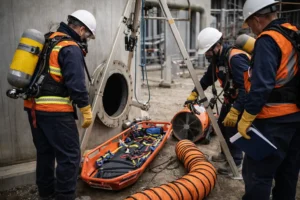
Construction remains one of the most hazardous industries in the United States. According to the Bureau of Labor Statistics (BLS, 2024), over 1,100 construction workers lost their lives in 2023, accounting for one in five workplace deaths nationwide, and falls represented 34% of those fatalities (BLS 2024 Report).
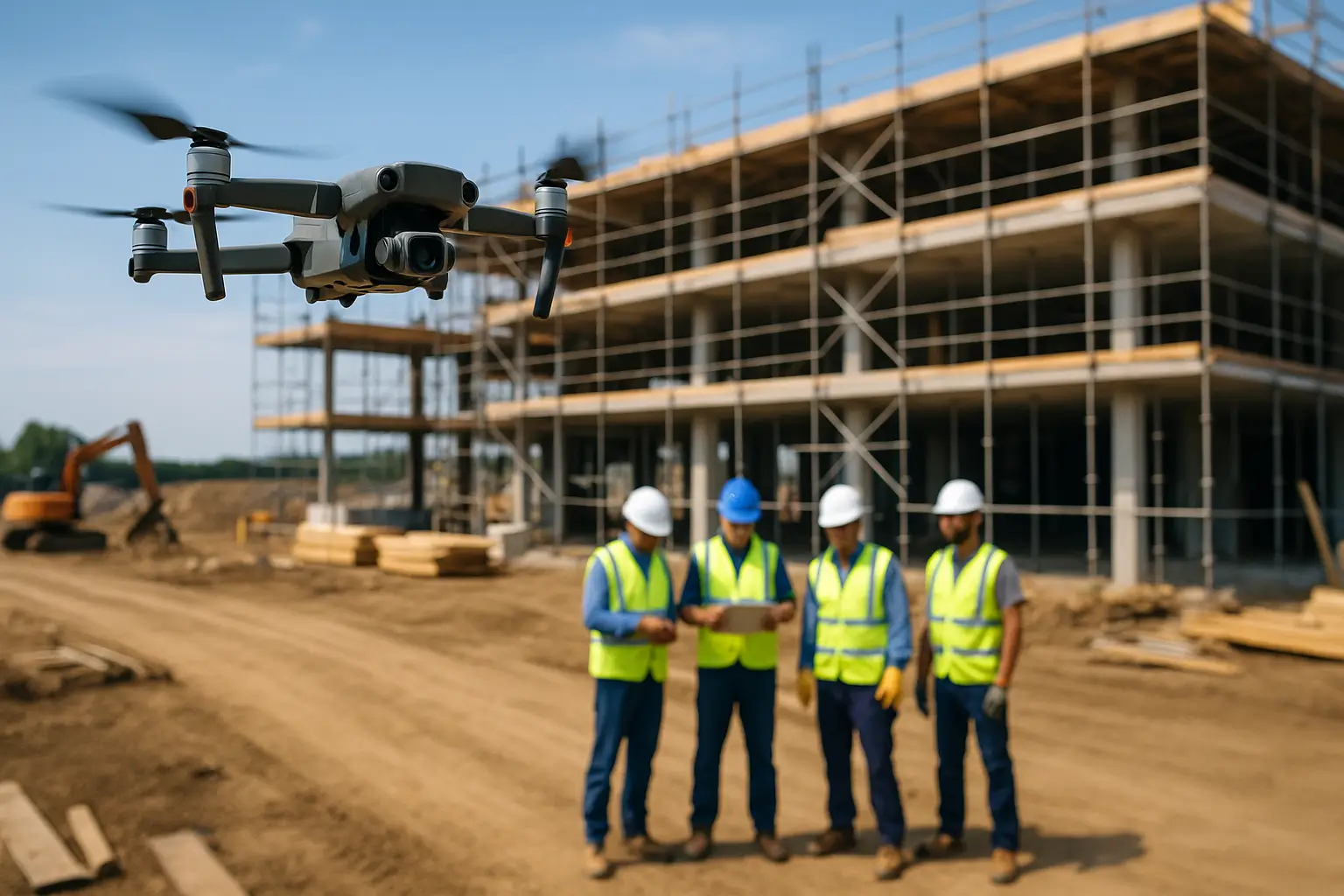
With advancing technology, drones, also called unmanned aerial vehicles (UAVs), are emerging as a game-changer for construction site safety. These aerial tools can detect hazards, monitor high-risk zones, and perform inspections faster and more safely than humans.
This blog explores how drones improve site safety and how OSHA training ensures workers use them effectively and compliantly.
1. Preventing Construction-Related Accidents
Surveying a construction facility manually is both time-consuming and dangerous. Workers face risks from heights, unstable surfaces, heavy machinery, and live wires.
With drone inspections, safety engineers can spot hazards early, including:
Loose materials or unstable scaffolding
Equipment movement in restricted areas
Electrical and chemical risk zones
This real-time hazard identification significantly reduces the likelihood of injuries and fatalities. According to NIOSH (2025), companies using drone-assisted inspections saw a 25% decrease in fall-related incidents on active job sites (NIOSH Report 2025).
2. Enhancing Survey Accuracy and Efficiency
Traditional site inspections can take hours or even days. In contrast, drone mapping and thermal imaging can complete a site survey in just 15–20 minutes with improved accuracy.
Drone technology can:
Capture detailed visuals of hard-to-reach areas
Use thermal sensors to detect structural weaknesses
Create 3D safety models for project managers
This efficiency reduces downtime, saves costs, and minimizes the need for workers to enter hazardous zones.
3. Monitoring Site Progress and Adherence
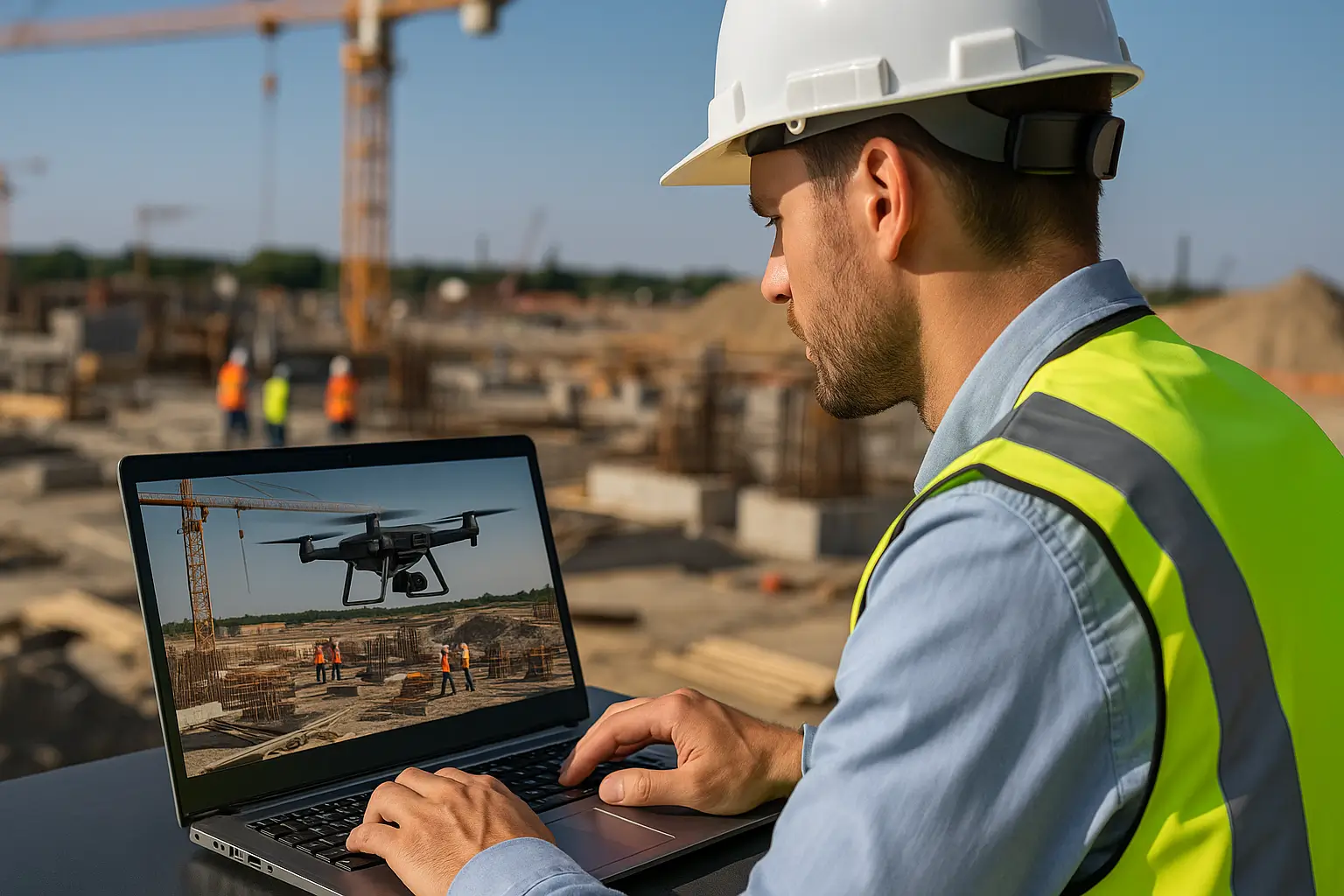
Drones equipped with real-time video streaming allow supervisors to monitor site activity remotely. Supervisors can:
Review footage to ensure OSHA-compliant PPE use
Compare live visuals with blueprints to check safe operations
Observe worker behavior near high-risk areas (e.g., scaffolding or trenches)
This promotes accountability and adherence, reducing potential OSHA violations.
4. Reducing Theft and Security Risks
Construction sites are often targets for theft, with losses exceeding $1 billion annually, according to the National Equipment Register (2024). Drones with night vision, infrared, and motion sensors can patrol sites 24/7, even in low visibility, detecting unauthorized activity and protecting valuable equipment.
5. Drones and OSHA Training: Building a Safer Future
While drone technology strengthens construction safety, workers still require OSHA-authorized training to handle potential hazards effectively.
Courses such as:
OSHA 10-Hour Construction Training: Entry-level awareness of site hazards.
OSHA 30-Hour Construction Training: Advanced safety and leadership training.
Fall Protection Training: Focused on reducing fall fatalities.
Scaffolding & Electrical Safety: Ensures safe working procedures around power and elevated areas.
Aerial Lift & Crane Safety: Essential for drone integration and equipment supervision.
Accident Investigation & Reporting: Helps create corrective action plans after incidents.
These programs not only keep workers compliant but also build a culture of accountability and prevention.
Conclusion
The integration of drones into construction site safety marks a new era in workplace protection. By reducing manual risk exposure, enhancing survey precision, and preventing theft, drones are reshaping how the industry operates.
However, technology alone isn’t enough; the foundation of safety remains trained and aware workers. Enrolling in OSHA-authorized training at OSHAOnlineCenter.com ensures your team understands regulations, mitigates hazards, and protects both lives and profits.