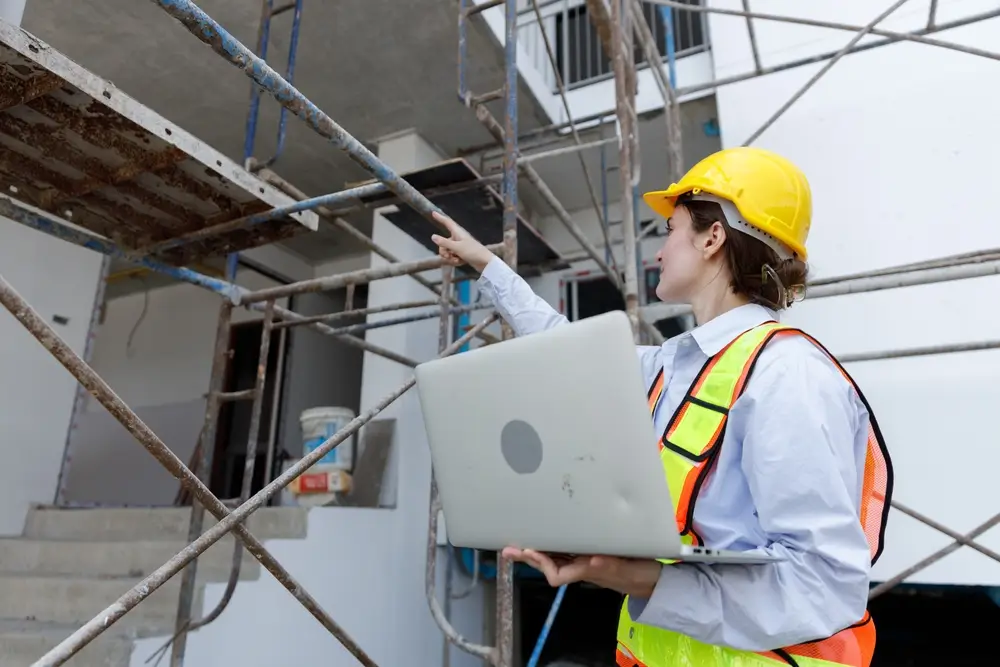
Scaffolding is widely used in construction, maintenance, and repair projects. It provides workers with temporary platforms that allow them to perform tasks safely at elevated heights. When scaffolds are properly installed and used according to safety standards, they create a stable and efficient work environment. However, problems arise when scaffolds are assembled incorrectly, overloaded, or used without proper precautions. Unsafe work practices and environmental hazards can quickly turn a routine task into a serious accident.
Every year, scaffolding incidents lead to injuries and fatalities across construction sites. Reviewing scaffolding accident statistics helps reveal how common these incidents are and why they remain a major concern in the industry. This article explains the most common causes of deaths and injuries on scaffolds and describes how these incidents typically occur in the workplace.
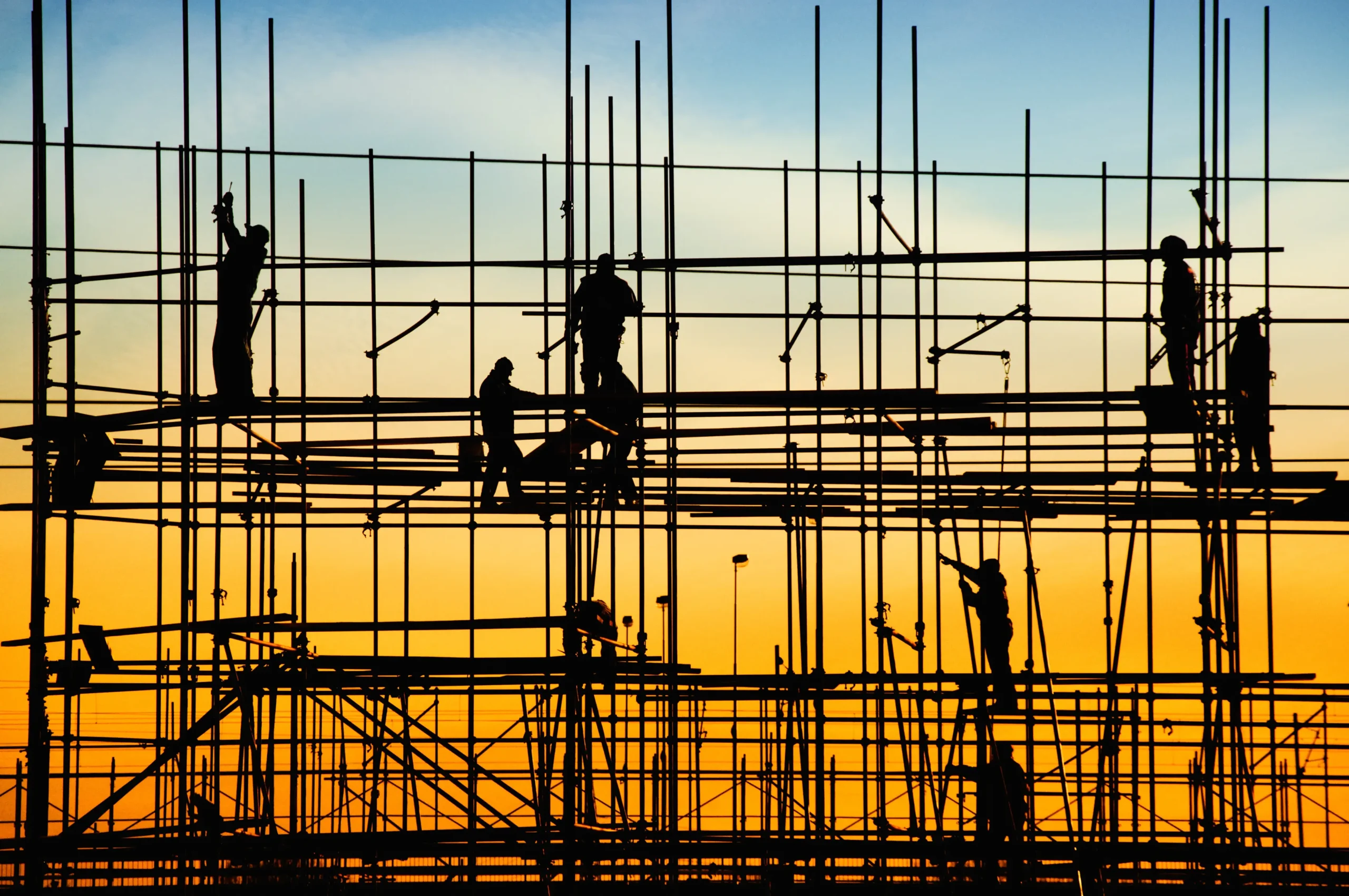
Why Scaffolding Work Is High Risk
Working on scaffolds often involves performing tasks at significant heights, which increases the risk of severe injuries if something goes wrong. Workers must move carefully while handling tools, materials, and equipment in a limited workspace. Maintaining balance and stability can be challenging, especially when several workers are using the same platform. Weather conditions can also make scaffolding work more dangerous.
Rain, strong winds, or extreme temperatures can affect both the stability of the structure and the worker’s ability to maintain control. Uneven or unstable ground beneath the scaffold may also create additional hazards. In these environments, even a small mistake can lead to a serious incident. When accidents occur, they may harm both workers on the scaffold and individuals working below.
Falls from Scaffolds
Falls are the leading cause of deaths and injuries related to scaffolding work. Because scaffolds are elevated structures, even a short fall can result in serious harm. One common cause is missing guardrails or incomplete platforms that leave workers exposed to open edges. Another factor is the lack of proper fall protection equipment such as harnesses and lifelines.
Slippery surfaces also increase the risk. Rain, mud, and construction debris can make platforms difficult to walk on safely. In some cases, workers climb the scaffold frame instead of using designated ladders or access points, which increases the chance of losing balance. When a fall occurs from a height, the consequences can be severe. Workers may suffer broken bones, head injuries, or other life-threatening trauma. Installing proper guardrails, maintaining clean platforms, and using fall protection systems are essential steps for preventing these incidents and protecting workers on scaffolds.
Scaffold Collapse
A scaffold collapse is another serious hazard that can lead to multiple injuries on construction sites. When a scaffold structure fails, workers may fall from height while materials and equipment drop to the ground below. One major cause of collapse is improper assembly. If scaffolding components are not installed according to safety guidelines, the structure may not be able to support the required load. Weak or unstable foundations can also contribute to failure, especially when scaffolds are placed on uneven or soft ground. Overloading the scaffold with heavy materials is another common issue. When the weight exceeds the design capacity, the entire structure may become unstable.
Electrocution Hazards on Scaffolds
Scaffolds are often installed close to electrical systems, which creates the risk of electrocution. Metal scaffolding can easily conduct electricity if it comes into contact with power lines or exposed wiring. One common hazard occurs when scaffolds are erected too close to overhead power lines. If any part of the structure touches or gets too close to energized lines, the electrical current can travel through the metal frame. Workers may also face risks when using electrical tools near damaged cords or unprotected wiring.
In some cases, a lack of planning or failure to maintain a safe distance from electrical sources leads to a scaffolding electrocution death, which can occur instantly. These incidents highlight the serious danger of electricity on construction sites. Careful planning, proper site assessments, and maintaining safe clearance from power lines are critical steps to prevent electrical accidents when working on scaffolds.
Falling Tools and Materials
Objects falling from scaffolds can create serious hazards for workers below. Tools, materials, or debris can drop from elevated platforms and cause severe injuries. One common cause is improperly secured tools that slip or roll off the edge of the scaffold. Loose construction materials such as boards, bolts, or small equipment can also fall if they are not stored properly. In busy work environments, workers may accidentally knock items off the platform while moving or handling materials.
When these objects fall from height, they can cause head injuries, fractures, or other serious trauma to workers on the ground. In addition, falling materials may damage equipment, vehicles, or surrounding work areas.
Poor Training and Unsafe Work Practices
Many scaffold accidents occur because workers have not received proper training. Without the right knowledge, workers may not fully understand how to assemble, inspect, or safely use scaffolding systems. One common issue is incorrect scaffold assembly, which can make the structure unstable. In some cases, workers ignore established safety procedures or take shortcuts to save time. Climbing outside the scaffold frame instead of using proper access points is another unsafe practice. Workers may also remove guardrails or other safety components without realizing the risk it creates.
These behaviors increase the chance of serious accidents. Proper scaffold safety training helps workers understand hazards and follow safe work practices. In addition, qualified supervisors should oversee scaffold operations to ensure that safety guidelines are followed at all times.
How to Prevent Scaffold Injuries and Fatalities
Preventing scaffold accidents requires proper planning, training, and consistent safety practices. Several key measures can help reduce the risk of injuries and fatalities on scaffolding worksites.
- Proper Scaffold Design and Setup: Scaffolds should be designed and assembled according to established safety standards. Using the correct components and ensuring stable foundations helps maintain structural stability.
- Regular Inspections: Scaffolds should be inspected before each shift. Regular checks help identify loose components, damage, or other hazards that could lead to accidents.
- Fall Protection Systems: Guardrails, personal fall arrest systems, and safe access points, such as ladders, help reduce the risk of falls from height.
- Safe Distance from Power Lines: Maintaining adequate clearance from overhead electrical lines helps prevent electrical contact and electrocution hazards.
- Worker Training and Supervision: Workers should receive proper training on scaffold safety procedures. Qualified supervisors should monitor activities to ensure safety rules are consistently followed.
Conclusion
Scaffolding is an essential part of many construction and maintenance projects, but it also presents serious safety risks when not managed properly. Falls, structural failures, electrical hazards, falling objects, and unsafe work practices are among the most common causes of scaffold-related deaths and injuries. Fortunately, most of these incidents can be prevented through proper planning and safety measures. Regular inspections, proper equipment setup, and comprehensive worker training all play a key role in reducing risks. By prioritizing scaffold safety and encouraging workers to follow established guidelines, employers can create safer work environments and significantly reduce the likelihood of serious accidents.